
48 V off-grid homes
In country and mountain houses built around a 48 V battery bank and an inverter, it connects the panels to the battery with a single unit.
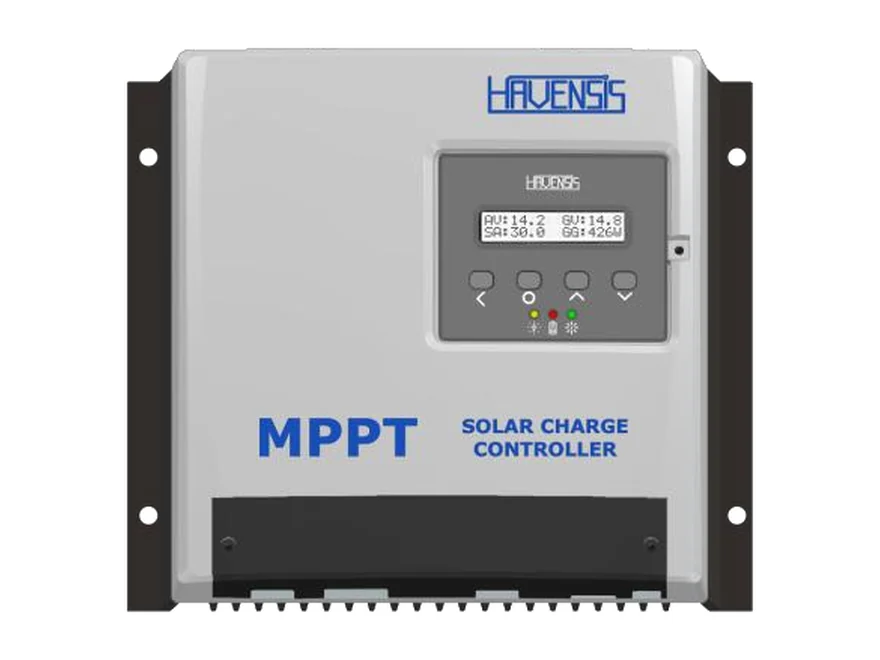
60 A MPPT charge controller for 12, 24, 36 and 48 V battery systems: with up to 150 V panel input and up to 5000 W of panels, it is the charging hub of large off-grid systems.
₺16.200 ≈ $330
Price includes VAT.
💰 By bank transfer: ₺15.700
The Havensis Solar-60AMPS 150|60 is the 60 A model of the MPPT series (MPS) for 12–48 V batteries. The 150|60 in the model code means it takes up to 150 V of panel input and charges at up to 60 A. It works with 12, 24, 36 and 48 V batteries, and up to 5000 W of solar panels can be connected.
MPPT (maximum power point tracking) finds the highest power the panel can deliver in the current light and passes it to the battery. When the panel voltage is higher than the battery voltage, the difference is not wasted as heat but turned into charging current. That is why an MPPT controller collects more energy from the same panel than a simple PWM controller.
According to the manufacturer, the controller runs at 97.5% conversion efficiency and 99.6% MPP tracking efficiency: only a small share of the energy coming from the panel is lost as heat.
The LCD display and LED indicators show the system status. All parameters are adjustable: you enter the charging values for your battery with the buttons on the unit. The controller can be powered from the panel and can also run without a battery connected.
Its wide battery range and 150 V panel input make it suitable for large off-grid systems: country houses, farms and businesses built around a 48 V battery bank and an inverter. The inverter is connected directly to the battery bank.
The unit is made in Türkiye by Havensis. We ship it anywhere in Türkiye and offer optional on-site installation in the Antalya region.
| Brand | Havensis |
| Model | Solar-60AMPS 150|60 |
| Battery voltage | 12/24/36/48 V |
| Charging current | 60 A |
| Max. panel input voltage | 150 V |
| Max. panel power | 5000 W |
| Charging method | Advanced MPPT algorithm |
| Conversion efficiency | 97.5% |
| MPP tracking efficiency | 99.6% |
| Indicators | LCD display and LED status indicator |
| Settings | All parameters adjustable |
| Power supply | Powered from the panel, can run without a battery |
| Dimensions | 280 × 235 × 100 mm |
| Origin | Made in Türkiye |
Values are taken from the manufacturer's (Havensis) product list. If you need a value that isn't listed, write to us and we'll confirm it with the manufacturer.
What are MPPT and a panel string (series connection)? Solar Glossary →
With battery support from 12 to 48 V and a 150 V panel input, it is the charging hub of large off-grid systems.
In country and mountain houses built around a 48 V battery bank and an inverter, it connects the panels to the battery with a single unit.
Charges the battery banks that feed large loads such as lighting, cooling and automation at 60 A.
Thanks to the 150 V input you can wire panels in series and carry the energy at lower current through thinner cable.
When you add panels you can go up to 5000 W with one unit and avoid the extra parallel strings that 100 V controllers need.
The solar panel connects to the controller and the controller to the battery; household appliances run from the battery through an inverter.
Connect the controller to the battery first, with a suitable fuse in between, and match the poles (+ / −) correctly.
Enter the charging values for your battery type and voltage on the LCD display using the buttons on the unit.
The open-circuit voltage (Voc) of the panel string must not exceed 150 V; leave a margin, because Voc rises in cold weather.
Connect the inverter directly to the battery bank. When removing, disconnect the panels first, then the battery.
Your choice depends on your battery voltage and the panel power you plan to connect.
| Model | Battery | Charging current | Panel input | Panel power | Efficiency | Size |
|---|---|---|---|---|---|---|
| Solar-30AMPS (100|30) | 12/24 V | 30 A | 100 V | 1200 W | 98% | 159 × 210 × 70 mm |
| Solar-60AMPS-100 (100|60) | 12/24 V | 60 A | 100 V | 2500 W | 98% | 197.2 × 224 × 80 mm |
| Solar-60AMPS 150|60 This product | 12/24/36/48 V | 60 A | 150 V | 5000 W | 97.5% | 280 × 235 × 100 mm |
The open-circuit voltages (Voc) of panels wired in series add up; the total must stay below the controller's panel input limit.
| Panel | Voc (datasheet) | Max. in series on this controller |
|---|---|---|
| Lexron 285 W Solar Panel | 42.84 V | 3 panels (128.52 V) |
| Lexron 655 W TOPCon Solar Panel | 50.34 V | 2 panels (100.68 V) |
Voc rises in the cold; in areas that drop below −10 °C in winter, check the layout with us. Total panel power must not exceed 5000 W.
Order them together and everything arrives in one shipment.
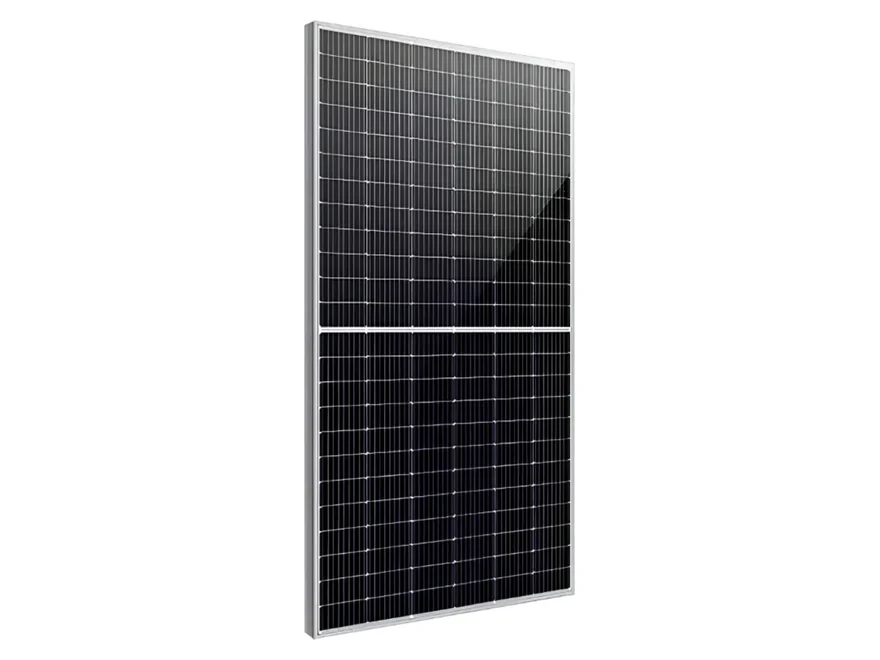
High-power TOPCon panel; up to 2 can be wired in series on this controller.
₺10.000Add to cart →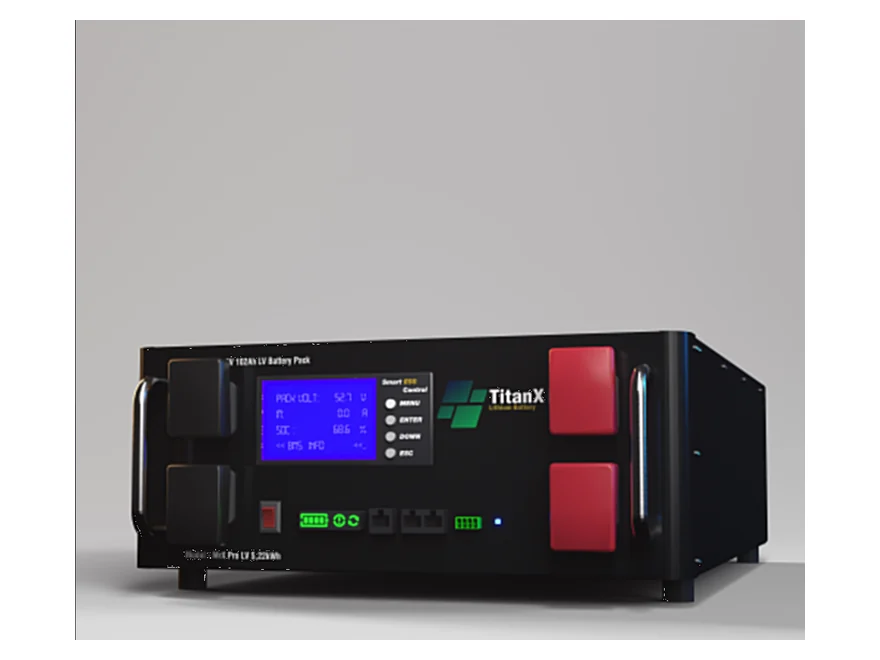
5.22 kWh LiFePO₄ battery for a 48 V system.
₺73.400Add to cart →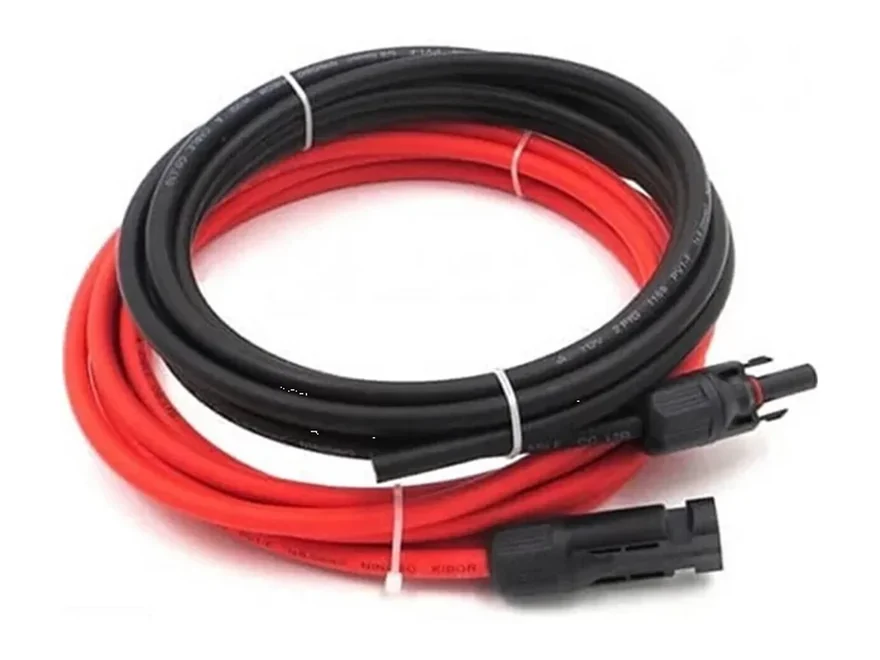
Panel to controller: 5 m black + 5 m red.
₺1.000Add to cart →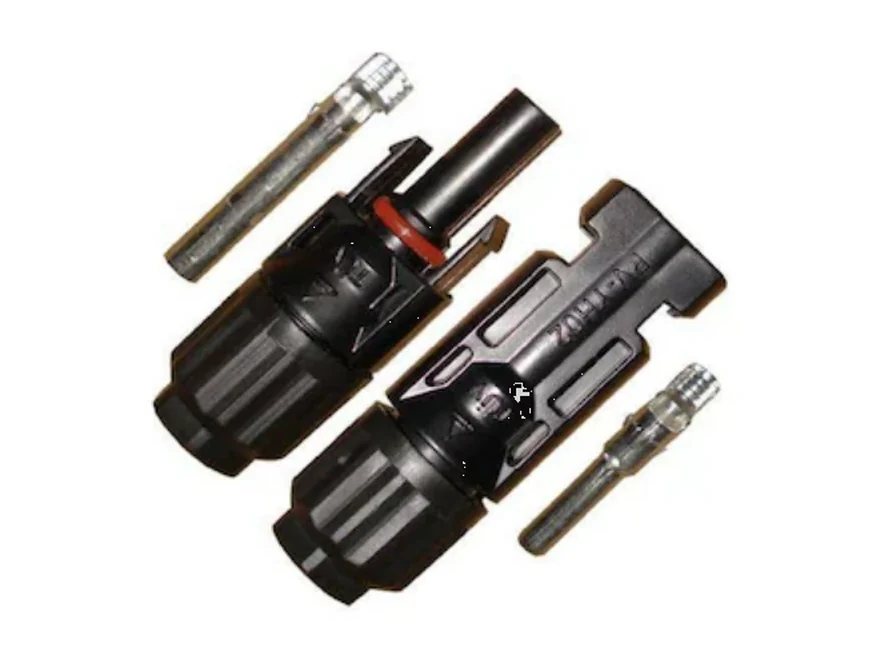
Joins the panel lead to the solar cable.
₺100Add to cart →No, the charging power is set by the battery voltage and the 60 A charging current: about 840 W in a 12 V system, 1680 W at 24 V, 2520 W at 36 V and about 3360 W at 48 V. You can connect up to 5000 W of panels; when the panel power exceeds this, the controller limits the current to 60 A, and the extra panels raise charging in the morning, in the evening and on cloudy days.
With 12, 24, 36 and 48 V batteries. Since all parameters are adjustable, you enter the charging values given by your battery's manufacturer. For a 48 V system we also sell the TitanX 51.2 V 102 Ah LiFePO₄ battery; set the charging values according to its datasheet.
The sum of the open-circuit voltages (Voc) of panels in series must not exceed 150 V. Of our Lexron 285 W panels (Voc 42.84 V) up to 3 can go in series, of the Lexron 655 W panels (Voc 50.34 V) up to 2. Because Voc rises in the cold, check the layout with us if your area drops below −10 °C in winter.
The inverter is connected directly to the battery bank; the charge controller only fills the battery with energy from the panels.
The controller can be powered from the panel and can run without a battery connected. To store solar energy and use it in the evening and at night, you need a battery.
Havensis Bluetooth and Wi-Fi monitoring modules can be fitted to this unit, letting you follow all its values on your phone. The module is not included; ask us for the price.
We ship anywhere in Türkiye; any electrician can connect the unit. In the Antalya region we offer optional on-site installation.
For charging the house battery from the alternator, see our DC-DC battery chargers.
Message us on WhatsApp for stock and delivery; we reply the same day.